 Skip to content
A clear windshield means safe driving. Your windshield often gets covered with dust, bug spots, and water stains. Wiping alone cannot keep the windshield clean for long, and rainy or cold weather makes washer fluid even more important. That is why it is the best way to keep the glass clear. Plain water cannot remove tough dirt and it often freezes in cold weather.
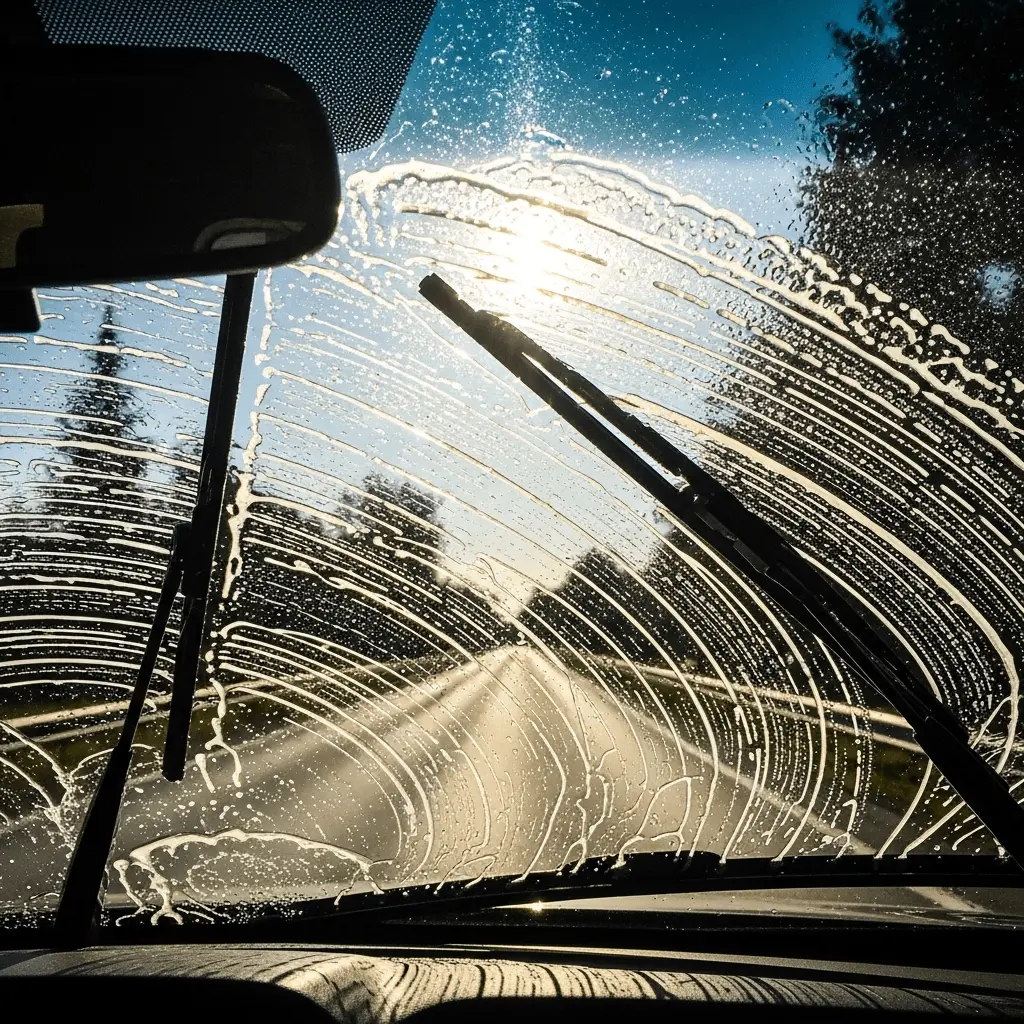
It is a special liquid made to clean your car glass fast and keep it clear. It removes dust, bug stains, and cloudy marks that water cannot handle. In winter, the right washer solution also keeps the system working without freezing. With it, you protect your car, save time, and drive with a clear view.
In this article, you will learn what washer fluid is, the ingredients it contains, the different types available, and how to refill it the right way for safe and smooth driving.
Why Washer Fluid Matters for Your Car
It is a special liquid that helps keep your car front glass clean. It makes driving safer and more comfortable, no matter the weather.
Clear View in All Weather
When dust, rain, or snow gets on your windscreen, the washer solution quickly washes it away. This means you can always see the road clearly.

Keeps Glass Shiny and Smooth
It cleans off bugs, dirt, and sticky marks before they harden. This helps your windscreen stay smooth and easy to wipe.
Works in Cold Days Too
Some fluids do not freeze in winter. They keep spraying and cleaning even when it is very cold outside.
Makes Driving Easier
A clean windscreen helps you look ahead without anything blocking your view. This makes driving calmer and more enjoyable.
What is It Made Of?
It is more than just colored water. It is a mix of ingredients that work together to clean your car front glass quickly and easily.
Basic Formula
Most fluids have:
- Water: the main part that carries everything else.
- Detergents: help remove dirt, dust, and sticky spots.
- Alcohols: help the liquid dry fast and stop it from freezing.
- Additives: improve cleaning power and protect your windscreen.
The blue color is just a dye. It makes the fluid easy to see when you pour it and helps you know it is washer fluid, not plain water.
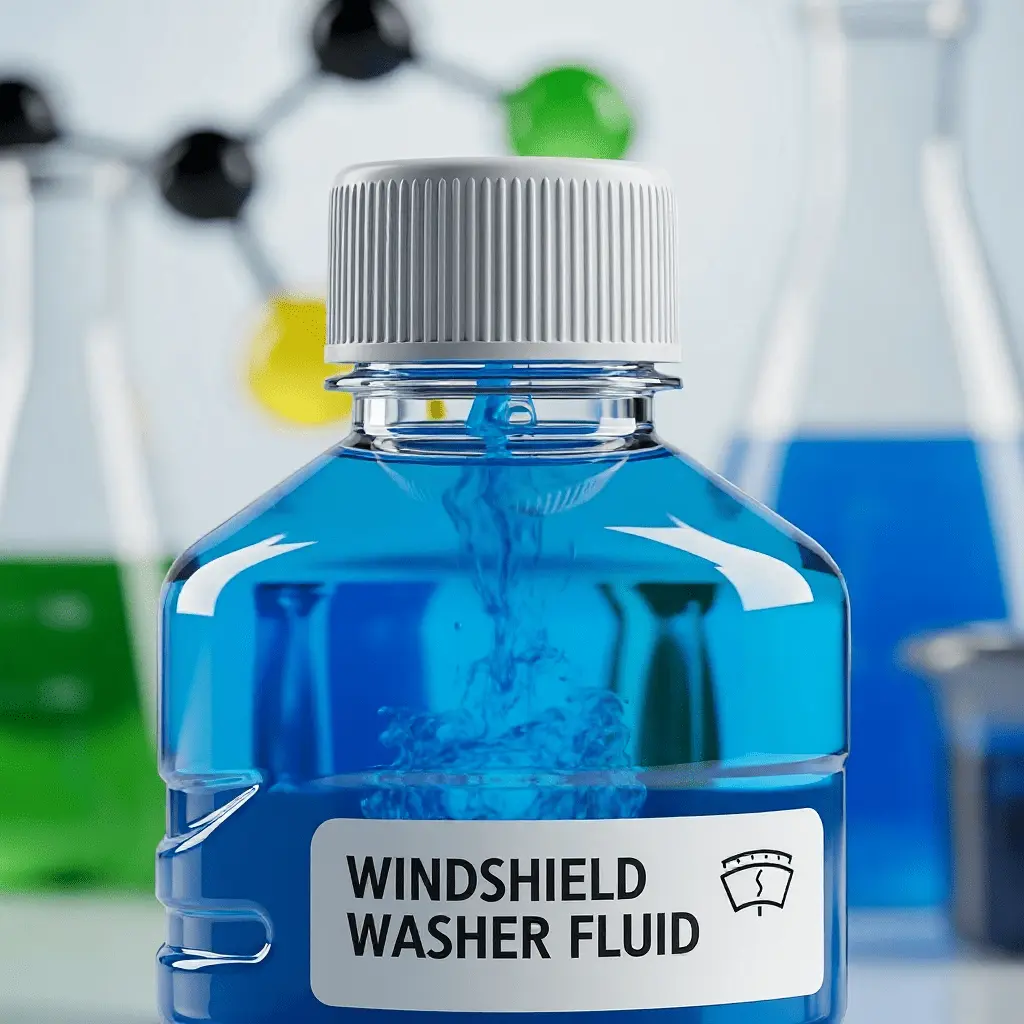
Special Additives
Some liquids are made for extra jobs, like:
- Bug removers: break down insect marks.
- De‑icing agents: melt light ice in winter.
- Water‑beading agents: make rain roll off the glass.
Different Types
A windshield cleaning solution is not just one kind of liquid. There are several types, each made to work best in certain weather or for certain cleaning needs. Here is a simple guide so you know which one to pick.
Everyday and Cold Weather Fluids
Standard cleaner is the most common. It works well for daily driving and cleans away dust, dirt, and light marks from the glass. It is a good all‑round choice for places that do not get very cold.
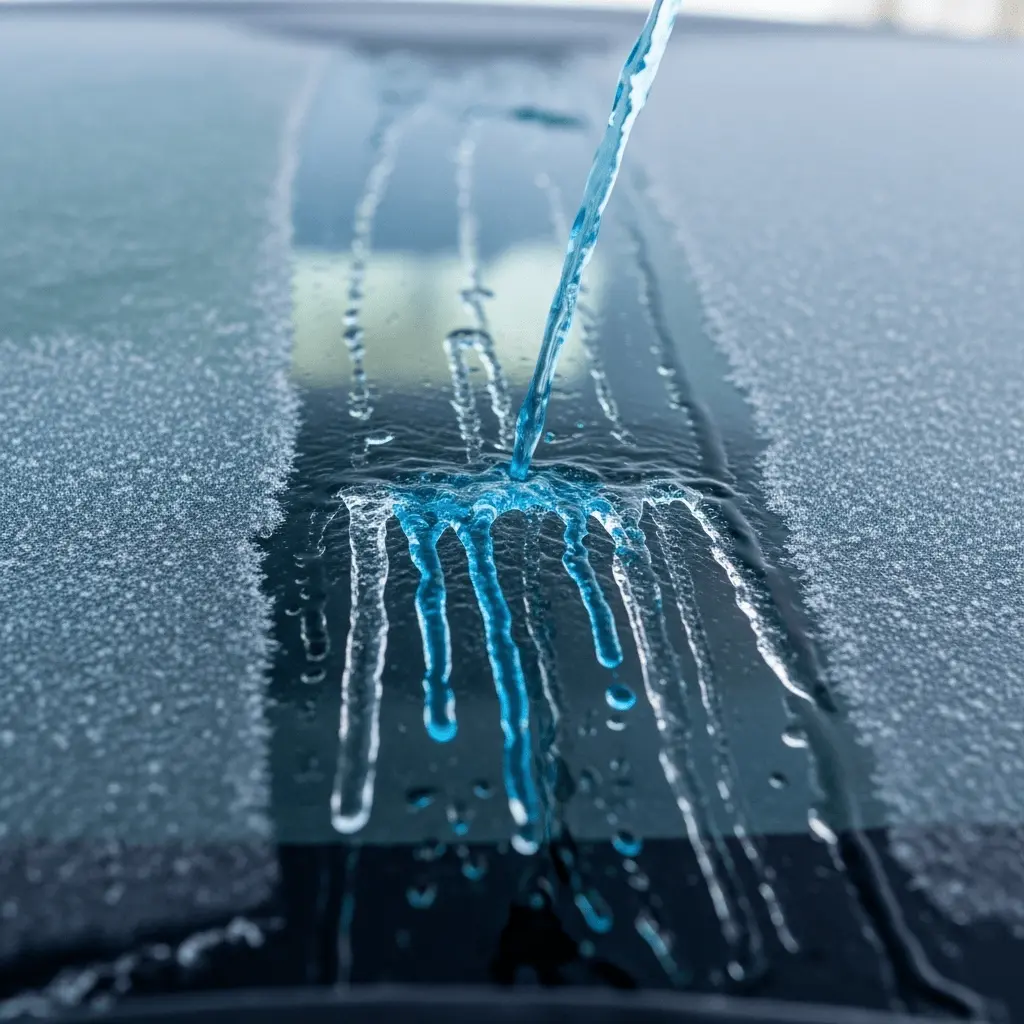
De‑icing washer solution is made for winter. It has special ingredients, like alcohol, that help melt light frost and ice. It also does not freeze, so it keeps working even on very cold mornings.
Fluids Made for Special Jobs
Bug remover fluid has stronger cleaning power. It helps get rid of insect marks, sticky sap, and other tough dirt. This type is great for summer road trips or driving on highways where bugs often hit the glass.
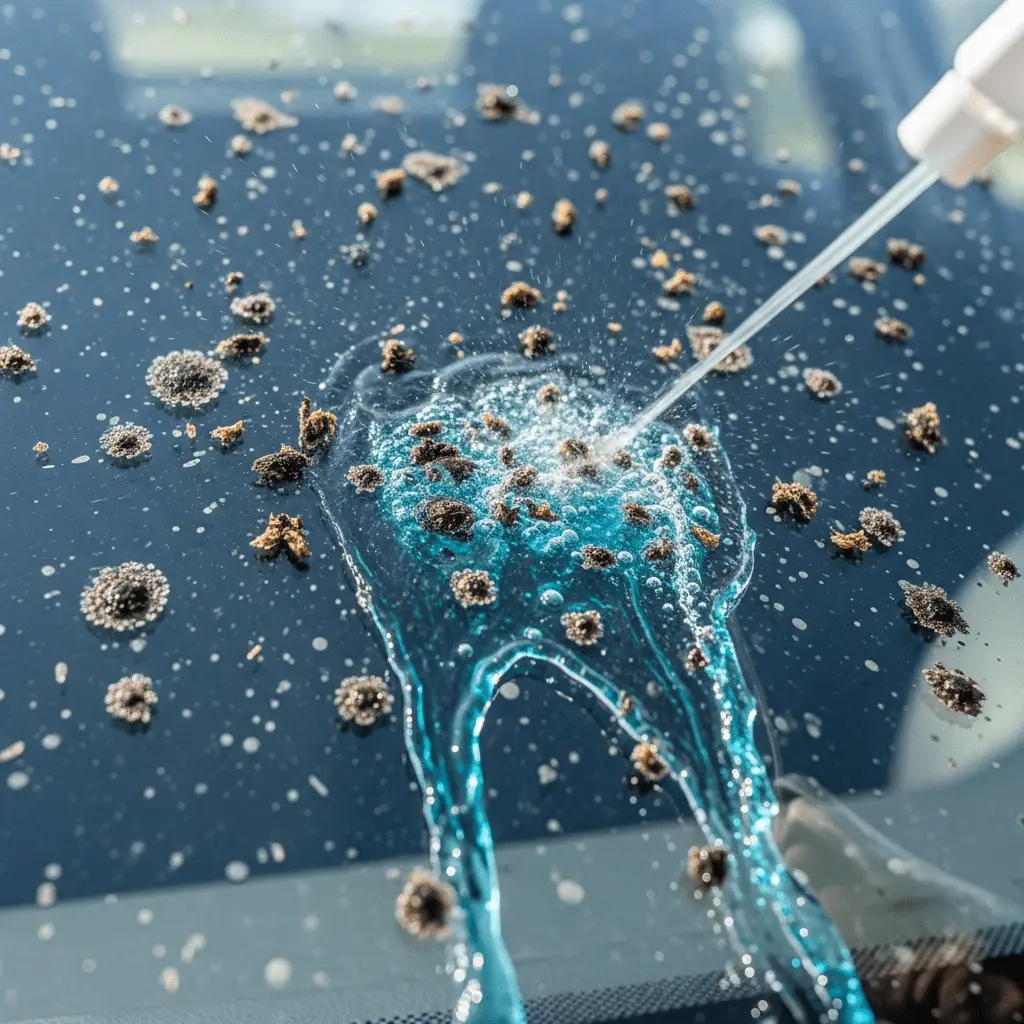
Water‑beading (hydrophobic) cleaner makes rainwater form small beads that slide off the glass. This helps you see better when driving in heavy rain, and sometimes you do not need to use the wipers as much.
Weather Specific Choices
All‑season washer fluid works all year round. It is made to clean dirt and bugs in the summer, and also handle light frost in the winter, so you do not have to switch between types.
Summer special solutions are great for hot months. It is made to remove bugs, bird droppings, and dusty marks. Solutions for winter are built to stay liquid in freezing weather and help with small amounts of ice.
Ready‑to‑Use vs Concentrated Screen Cleaner
It comes in two main forms: ready to use, or concentrated.
Ready‑to‑Use Cleaner
Pre‑mixed and ready to pour into your car washer tank.
Pros and Cons:
- No mixing needed, just open and pour.
- Perfect for quick top‑ups.
- Ready-to-use cleaner usually costs more per litre than concentrated fluid.
- It needs larger storage space compared to the concentrated form.

Concentrated Solution
A strong liquid that must be mixed with water before use.
Pros and Cons:
- More affordable in the long run.
- Saves space, one bottle makes many refills.
- Needs correct mixing before use.
When to Dilute
Follow the label. Normally mixed with clean water; in cold weather, use warm water or a winter‑safe ratio so it does not freeze.
Storage & Shelf Life
Keep the bottle tightly closed, in a cool, dry place, away from direct sun. Most washer liquids last up to 2 years when stored well.
Can You Use Water Instead of Washer Fluid?
- Using plain water is possible, but it does not clean like screenwash, and in winter it can freeze and damage the system.
- It has no additives to remove bugs, dirt, or grease.
In an emergency, clean water is fine for short-term use. For example, if you run out on a trip and need to see the road clearly.
Safer Substitute
If washer is not available, you can make a basic version at home:
- Mix 1 litre clean water, 1-2 tablespoons mild dish soap, and 1/2 cup vinegar.
- For winter, add a small amount of rubbing alcohol to stop freezing.
Homemade versions are only for short‑term use, store‑bought fluids work best and protect your car washer system.
How to Refill Reservoir
Refilling the windscreen cleaner is quick and simple if you follow these steps.
Turn off the engine and open the bonnet
Always make sure the car is off before you start. Opening the bonnet keeps things safe and gives you full access to the washer tank.
Find the washer fluid reservoir
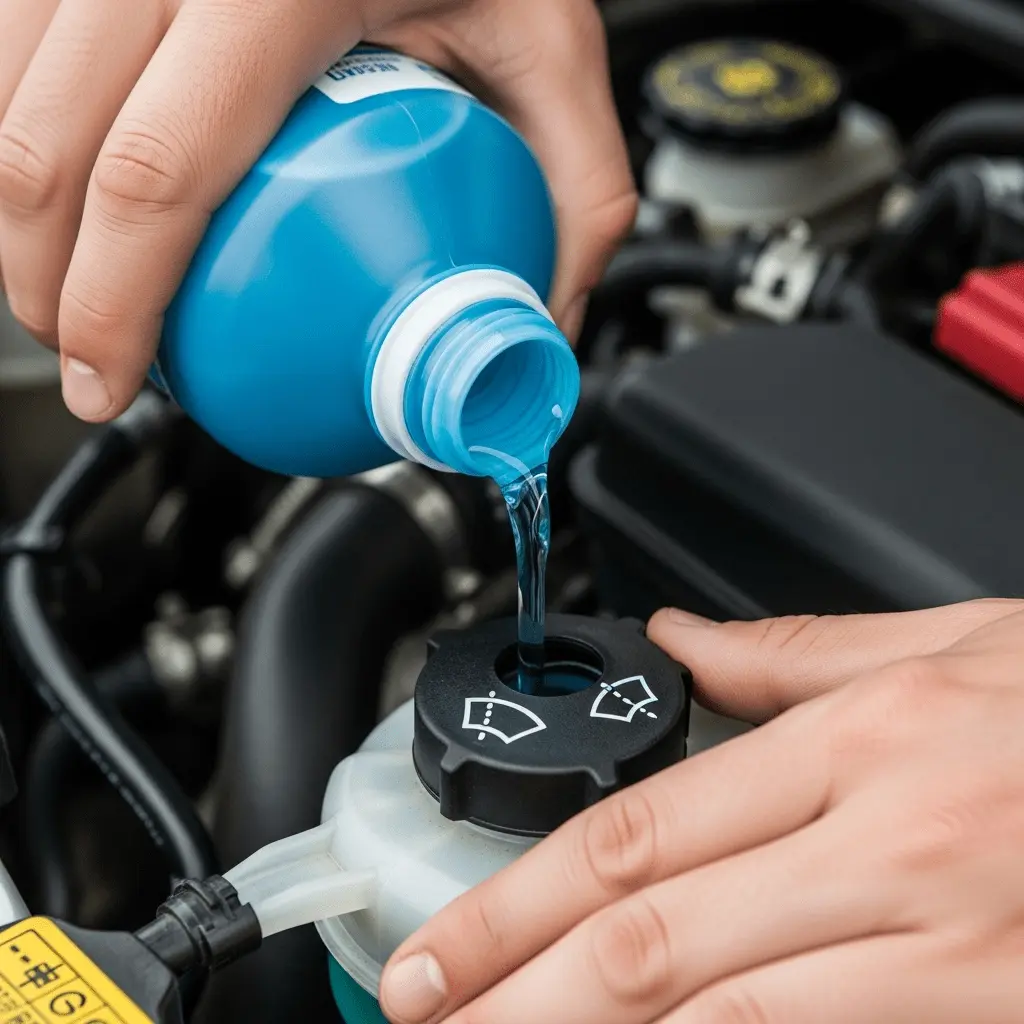
Look for a plastic tank with a cap that has a windscreen wiper symbol on it. It is often near the front of the engine bay. Some cars have one shared tank for front and rear spray, while others have a separate one for the rear.
Open the cap carefully
Lift or twist the cap slowly so dirt or dust does not fall inside. If there is any debris around the cap, wipe it off first.
Pour Liquid slowly
Use a funnel if you can, as it helps avoid spills. Pour until the fluid level is just below the “full” line or close to the top if there is no mark.
Close the cap firmly
Make sure it clicks or is tightly sealed. This stops leaks and keeps the fluid clean until the next refill.
Always use clean fluid or diluted concentrate to avoid clogging the spray system. Do not mix random products, and avoid overfilling.
Common Mistakes to Avoid
- Overfilling: Excess liquid can result in spills and increased system pressure.
- Wrong fluid: Do not use engine coolant or plain water in cold weather.
- Mixing fluids: Stick to one type to prevent clumps or damage.
- Dirty liquid: Only use clean solution or clean water.
- Cap left open: Always close tightly to keep dirt out.
- Debris in tank: Do not let leaves, dust, or small bits get inside.
Troubleshooting Problem
Keeping your washer tank full does not guarantee trouble-free operation. Cold weather, blockages, or small mechanical faults can stop the spray from working properly. The good news is most of these issues are easy to spot and fix if you know what to look for.
Frozen Cleaner: Prevention & Thawing Tips
It can freeze in winter if it is not the right type. This can stop the spray and harm system parts. You can prevent this by:
- Using winter‑grade cleaner.
- Adding a small splash of rubbing alcohol before freezing weather arrives.
- Parking in a garage or covered spot on very cold nights.
If your washer liquid has already frozen:
- Park somewhere warm and let it thaw naturally.
- Avoid pouring boiling water on the tank, as it may crack the plastic.
- Once thawed, replace the fluid with a winter‑safe mix.
Low Spray Pressure or No Spray: Common Causes
If your spray is weak or does not work at all, check for these problems:
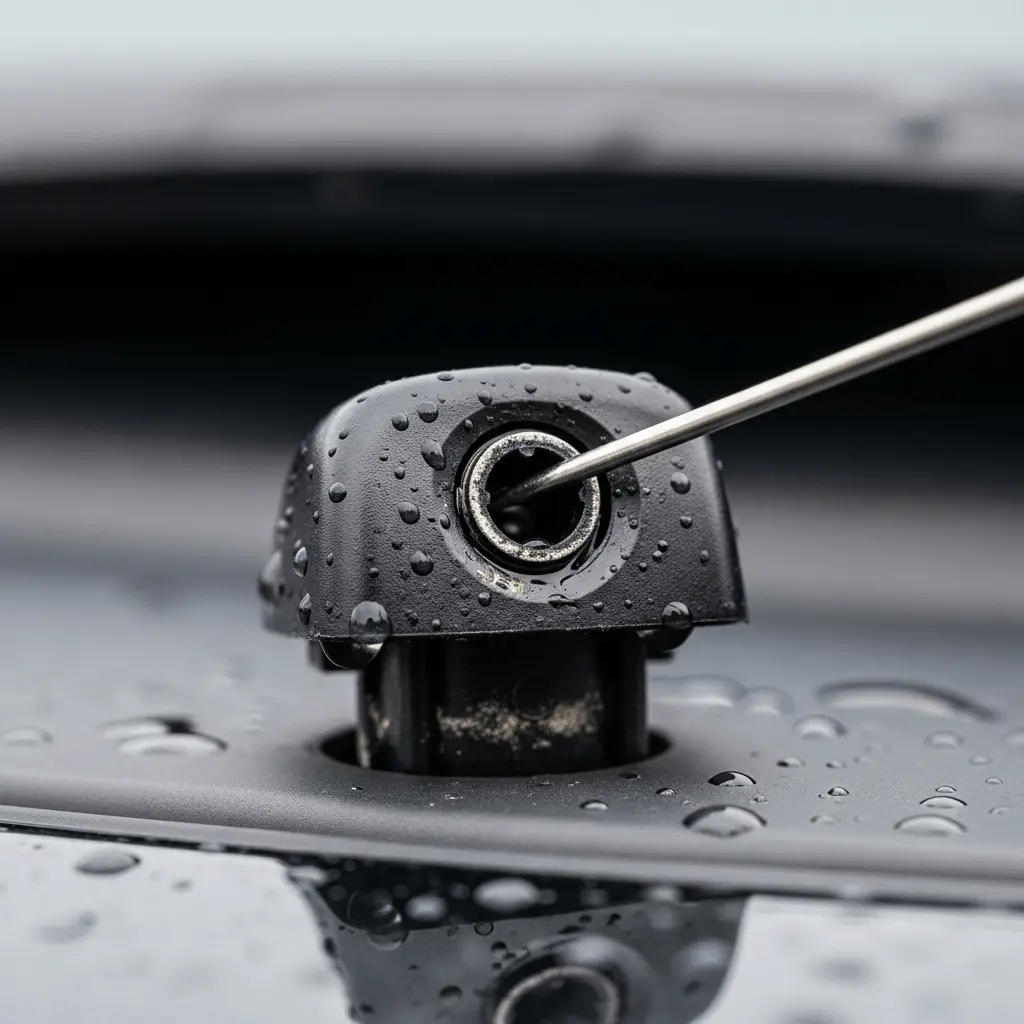
- Clogged nozzles: Dirt or dried fluid can block the spray. Clear gently with a pin and flush with warm water.
- Cracked hoses: Any cracks or leaks in hoses waste fluid, replace damaged parts quickly.
- Failed washer pump: A quiet motor while pressing the spray button usually means the washer pump has failed.
- Blown fuses: A blown fuse cuts power to the pump. Check the fuse box and match the replacement.
Safety Handling Tips
It is safe if you use it the right way, but it still has strong chemicals that need care. Certain kinds have alcohol that burns quickly if exposed to flame. Keep them far away from fire, candles, sparks, or people who are smoking. After using it, twist the cap on tight so it does not spill or let out fumes.
Keep Away from Children and Pets
Windscreen cleaning fluid is toxic and must be kept out of reach of children and pets. Always keep it in a safe place, like a high shelf or a locked cupboard, so children and pets cannot reach it.Wash away spills immediately to keep people and pets safe from accidental contact.
Disposal & Environmental Care
If you have leftover liquid, never pour it into a sink, onto the ground, or into a lake, river, or drain. Take it to a recycling place or a hazardous waste center so it can be thrown away safely. If the bottle can be used again, fill it with more solution, or recycle it the way your local rules say.
What does the washer fluid do in a car?
Washer fluid cleans your windshield so you can see the road clearly. It also keeps the small pump inside your car safe from damage. Without it, the pump can dry out and stop working.
What is a substitute for washer fluid in a car?
If you don’t have washer fluid, you can make a simple mix at home. Use water, a little dish soap, and some rubbing alcohol to stop it from freezing. This is only for short-term use.
How long does washer fluid last in a car?
Washer fluid does not go bad. You only need to refill it when the level gets low. It is a good idea to check it every few weeks.
Is washer fluid the same as coolant?
No, they are very different. Coolant keeps the engine from overheating, while washer fluid cleans the windshield so you can see clearly.
