 Skip to content
Finding unwanted paint marks on your car can be annoying. It might come from a small scrape with another vehicle, splashes of road paint, or even a bit of house paint during DIY. The worry most drivers have is simple: how to remove paint from car paint without scratching the clear coat or damaging the original finish.
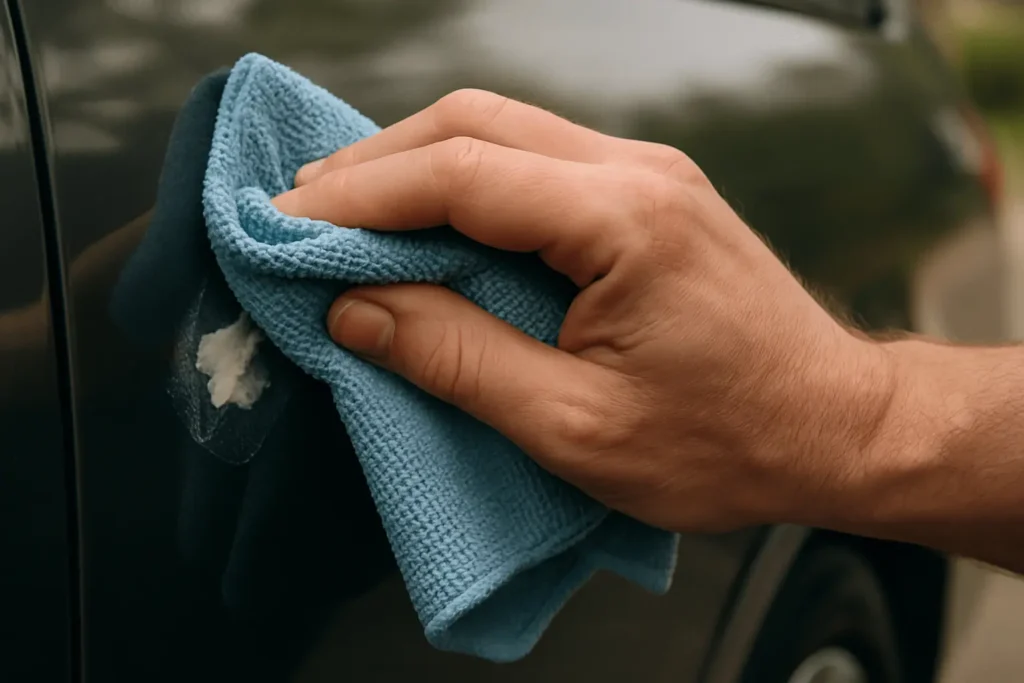
Using the right tools, you can clean away paint transfer stains at home. Each method is gentle, easy to follow, and designed to protect your car shine. And if the marks are too deep or stubborn, professional car detailing services are always there to restore your vehicle to its best look.
This guide will show you step by step how to safely remove paint stains, explore alternative methods, and share tips to prevent future marks so your car stays polished and protected.
Assess the Paint Transfer
Before you reach for any cleaning product, it is important to pause and carefully examine the stain. Not all paint marks are the same, and the way you treat them depends on their source and depth.
Types of Paint Stains
- Vehicle paint transfer: This is one of the most common issues. It usually happens when another car brushes against yours during a minor bump or scrape. The foreign paint sticks to your clear coat, leaving behind streaks or scuffs.
- Spray paint: Often the result of vandalism or accidental overspray from nearby work. Spray paint usually sits on the surface, which makes it easier to remove with gentle methods.
- Road paint or house paint: These stains are thicker and more stubborn. Road paint splatters can occur if you drive over freshly painted lines, while house paint may transfer during DIY projects. Both tend to harden quickly, requiring more effort to lift.
- Overspray or splatter: This looks like a fine mist or small droplets that settle on the clear coat. While not as heavy as road paint, overspray can dull the shine of your car if left untreated.
Depth of the Stain
Once you know the type of paint, check how deeply it has affected your car finish:
- Superficial stains: These sit on top of the clear coat. They are usually removable with a clay bar or mild solvent and do not cause lasting damage.
- Deep stains: If the paint has penetrated beyond the clear coat into the original paint layer, removal becomes trickier. Aggressive scrubbing can cause scratches or expose bare metal, so these cases need extra care.
Paint transfer often comes with additional damage. Take a close look for:
- Scuffs or scratches: These may appear around the stain, especially after contact with another vehicle.
- Dents or chips: If the impact was strong, the paint mark may be hiding deeper body damage.
- Texture changes: Run your fingers lightly over the area. If the surface feels rough or raised, the stain may be thicker than it looks.
Why Assessment Matters
Understanding the type and depth of the stain helps you choose the safest removal method. A light overspray can be handled at home with a clay bar, while hardened road paint may need solvents. If you notice dents or deep scratches, it is better to consult a professional detailer rather than risk damaging your car further.
By taking a few minutes to assess the situation, you will save time, avoid mistakes, and protect your car original finish.
Gather Tools and Materials
Having the right tools makes the job safe and effective. Here is what you will need:
- Automotive clay bar + lubricant spray for lifting overspray and light stains.
- Soft microfiber cloths for wiping and drying.
- Car specific pH-neutral shampoo for gentle cleaning without harming paint.
- Isopropyl alcohol (IPA) or a safe solvent for tougher marks.
- Polishing compound / car wax to restore shine after cleaning.
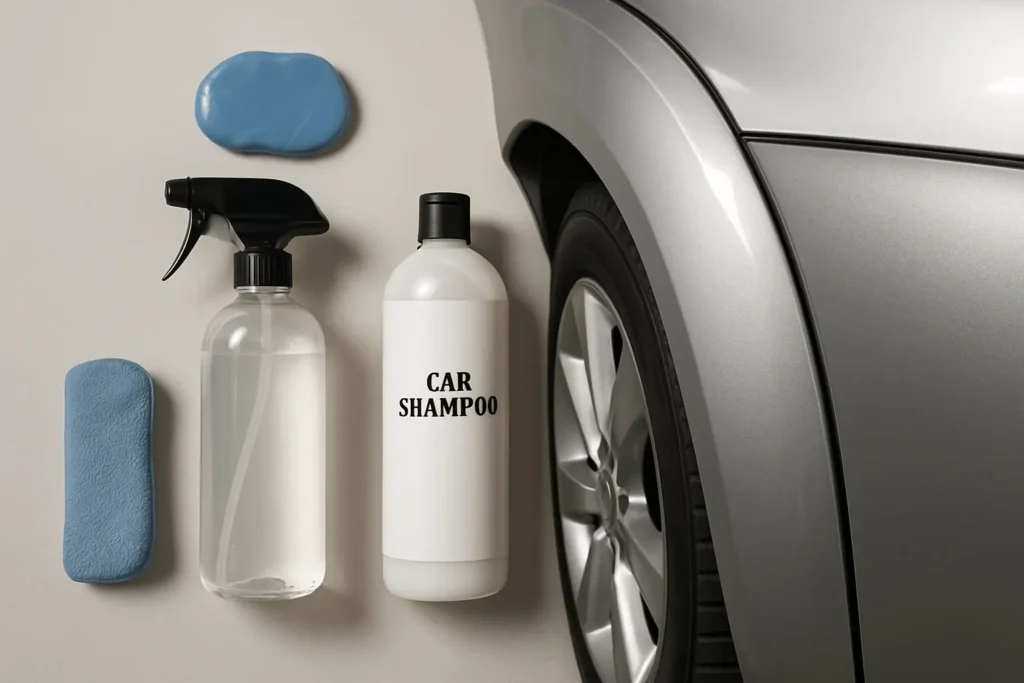
Always test any solvent or cleaner in a small, hidden area before applying it to the main stain. This ensures the product will not cause discoloration or damage.
Remove Paint from Car Paint: A Simple Guide
Removing paint stains from a car is easier when you follow a clear process. Each step has its own purpose, and together they help you clean safely without harming the finish.
Step 1: Clean the Affected Area
Start by washing the stained section with a pH-neutral car shampoo mixed with water. This type of shampoo is gentle and will not strip wax or damage the clear coat. Once the area is clean, dry it with a soft microfibre cloth to remove dirt and grit. A smooth surface is important because leftover particles can scratch the paint when you move to the next steps.
Step 2: Try a Clay Bar
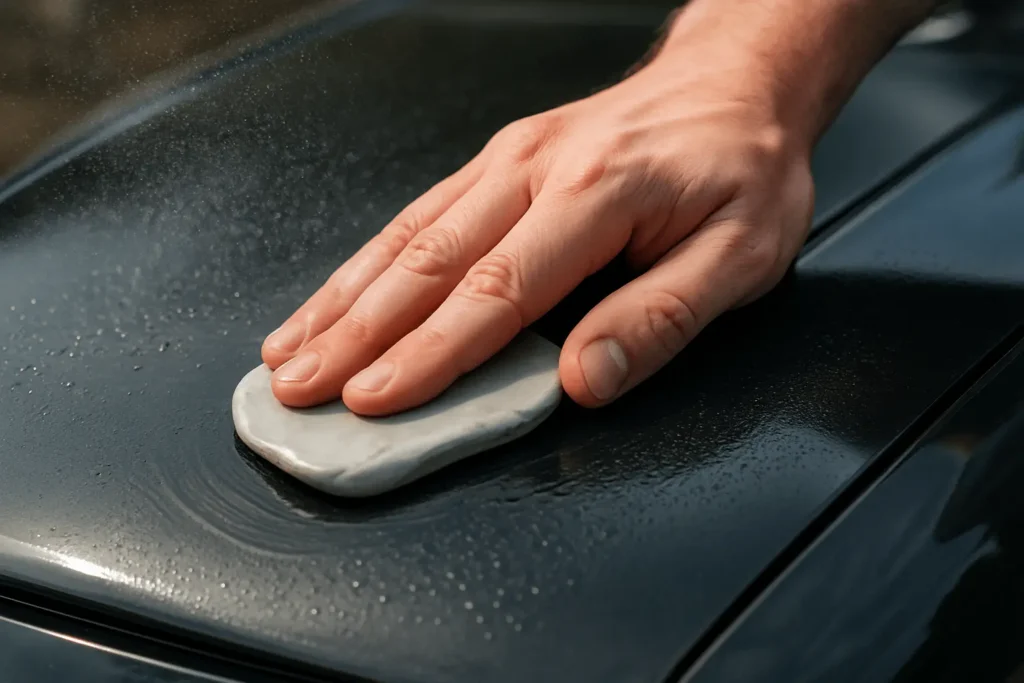
After cleaning, use a clay bar with lubricant spray to lift lighter stains such as overspray, splatter, or minor paint transfer. Spray the lubricant directly on the mark and glide the clay bar back and forth. The clay bar works by grabbing contaminants that sit on the clear coat, leaving the surface smoother. It is especially effective for stains that have not penetrated deeply.
Step 3: Apply a Solvent
If the stain is stubborn, apply a solvent like isopropyl alcohol (IPA), WD-40, or vinegar. Put a small amount on a clean cloth and rub gently over the mark. Solvents break down paint particles, but they must be used carefully. Always test in a hidden spot first to make sure the finish is not affected. Gentle rubbing is enough, avoid pressing too hard.
Step 4: Remove Any Residue
Once you have used clay or solvent, rinse the area thoroughly with clean water. This step washes away leftover product and prevents residue from sticking to the surface. Dry the spot again with a microfibre cloth to leave it streak-free and ready for polishing. A residue-free surface ensures the next step works properly.
Step 5: Polish the Surface
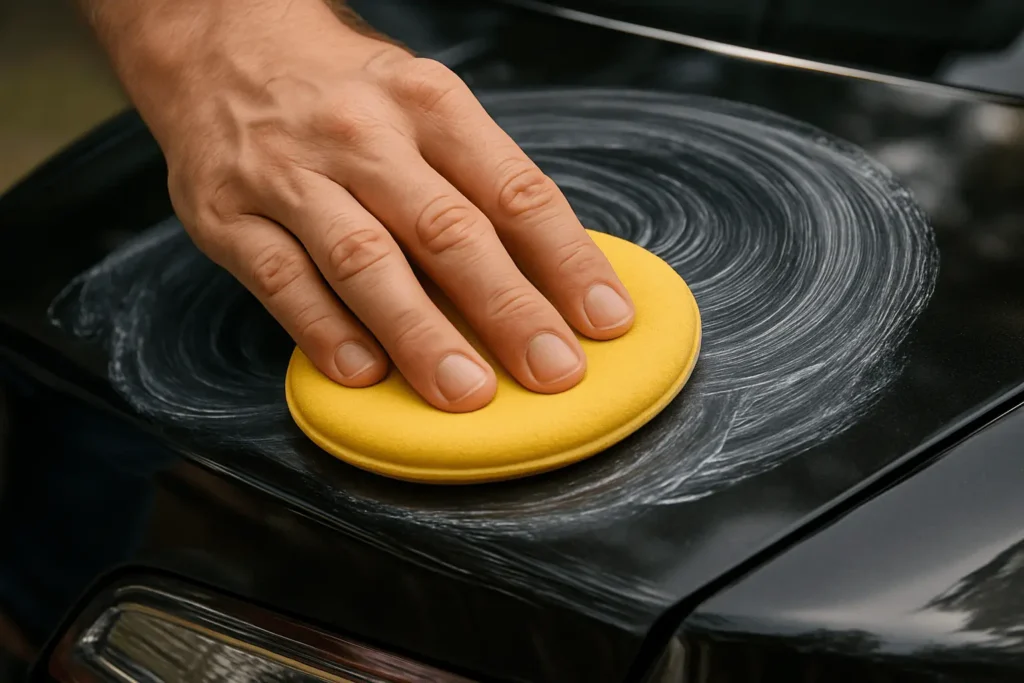
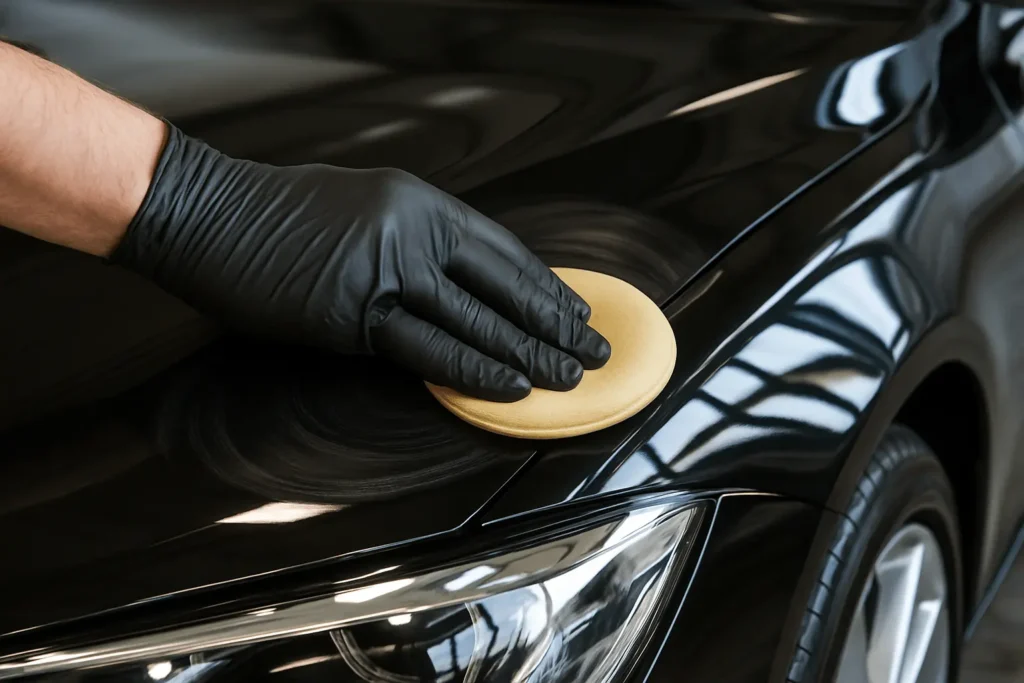
Apply a polishing compound to the cleaned area and buff gently with a soft applicator pad or cloth. Polishing restores shine and smooths out minor scuffs caused by paint transfer. Work in small sections to achieve an even finish. This step blends the treated area with the rest of the car so the repair looks natural.
Step 6: Protect the Paintwork
Finish by applying car wax, a sealant, or a protective film. Wax creates a slick layer that repels dirt and makes cleaning easier. Sealants last longer and provide stronger protection. Protective films are useful for bumpers and door edges where paint transfer is more likely. Adding this final layer keeps your car safe from future stains and helps maintain its shine.
Alternative Methods for Car Paint Removal
Sometimes you may need different approaches:
- WD-40: loosens paint transfer but should be tested first.
- Vinegar: mild and safe for small marks.
- Professional-grade solvents: stronger options if DIY fails.
- Bare metal removal: only for full repaint jobs, not recommended for beginners.
Preventing Paint Stains
The best fix is prevention. Here is how to keep your car safe:
- Apply a protective wax finish regularly.
- Use paint protection films on bumpers and doors.
- Avoid parking near construction zones or freshly painted roads.
- Clean stains quickly before they harden.
When to Consult Professionals
Light paint stains, such as overspray or small splatters, can usually be handled at home with safe tools like a clay bar or mild solvents. These methods work well when the mark is only on the surface and has not affected the deeper layers of paint.
If the stain has penetrated the clear coat, or if home cleaning leaves scratches or dents, professional detailing becomes the best option. Experts use polishing compounds, protective wax finishes, and advanced equipment to restore the car shine and keep the paintwork safe.
Does WD-40 remove car paint?
WD-40 can help loosen paint transfer or sticky marks on your car. It does not eat away at the paint itself, but it is not made as a detailing product. Use it only for small spots, then wash the area properly and add wax or protection afterward.
How to get paint marks off a car?
The safest way is to use a clay bar with lubricant to lift the paint gently. For tougher scuffs, a buffing compound can smooth the area and bring back shine. These methods remove paint transfer without scratching the clear coat.
Does vinegar remove car paint?
Vinegar is acidic and can break down paint layers. While it may remove unwanted marks, it can also strip away protective wax or sealant. Use it carefully and only on small spots, then rinse and protect the surface again.
Does baking soda damage car paint?
Baking soda is mildly abrasive, which means it can clean dirt and stains without harming paint if used gently. It works well for removing grime from surfaces and upholstery. Always mix it with water and avoid scrubbing too hard to keep the finish safe.
